In the field of structural engineering, seismic bracing plays a crucial role in ensuring the stability and safety of buildings during earthquakes and other natural disasters. A seismic brace is a structural component designed to resist lateral forces induced by seismic events, such as earthquakes, high winds, and explosions. These braces are typically made of steel, concrete, or reinforced masonry and are strategically located throughout a building to provide additional support and prevent structural failure.
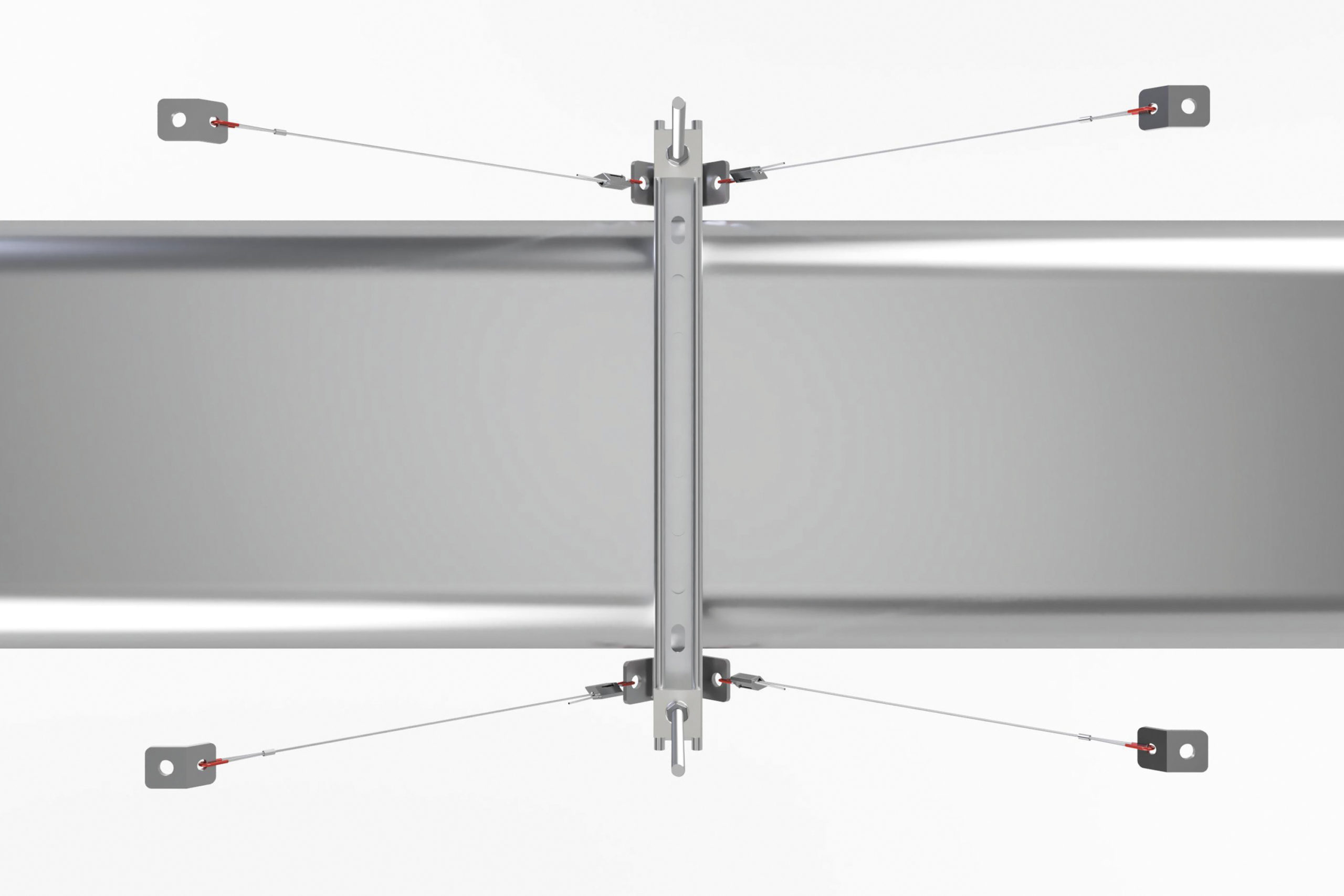
The primary purpose of seismic bracing is to reduce the displacement and sway of a building during a seismic event, ultimately protecting inhabitants and preserving the integrity of the structure. Without adequate seismic bracing, buildings are at a higher risk of sustaining extensive damage, compromising the safety of occupants and resulting in costly repairs.
Seismic bracing systems are designed to complement the overall structural design of a building and are implemented based on specific seismic hazard levels in a given region. Building codes and regulations dictate the minimum requirements for seismic bracing, ensuring that structures are built to withstand the forces exerted by seismic events and remain safe and functional.
There are several types of seismic bracing systems that engineers may incorporate into the design of a building, depending on factors such as building height, occupancy, and geographical location. Some common types of seismic braces include moment-resisting frames, concentrically braced frames, eccentrically braced frames, and buckling-restrained braced frames. Each type of brace has unique advantages and limitations, and the selection of a suitable system depends on various design considerations.
Moment-resisting frames are commonly used in high-rise buildings and consist of rigid connections between beams and columns, allowing the structure to withstand lateral forces by transferring them through the frame. Concentrically braced frames utilize diagonal braces to resist lateral forces, while eccentrically braced frames rely on braces that are intentionally weakened at certain points to provide ductility and energy dissipation during an earthquake. Buckling-restrained braced frames feature braces encased in a steel tube that prevents buckling under compression forces, enhancing the overall performance of the structure.
In addition to providing lateral support, seismic bracing also improves the overall stiffness and stability of a building, reducing the risk of damage to non-structural elements such as partitions, ceilings, and facades. By minimizing building sway and displacement, seismic bracing helps protect valuable assets and ensures the continuity of building operations even in the aftermath of a seismic event.
The design and installation of seismic bracing systems require careful consideration of various factors, including building geometry, material properties, and earthquake loads. Engineers must conduct rigorous structural analysis and modeling to assess the effectiveness of the bracing system and verify its capacity to withstand seismic forces. Additionally, regular inspection and maintenance of seismic bracing components are essential to ensure their continued functionality and effectiveness over time.
Advancements in technology and research have led to the development of innovative seismic bracing solutions that offer enhanced performance and reliability. Engineers now have access to a range of seismic bracing products and systems that can be tailored to meet the specific requirements of a building and its occupants. These advancements have significantly improved the seismic resilience of buildings and helped minimize the impact of seismic events on communities and infrastructure.
In conclusion, seismic bracing is a critical element in the design and construction of buildings, providing essential support and protection against the destructive forces of earthquakes and other natural disasters. By incorporating seismic bracing systems into building designs, engineers can enhance the safety and resilience of structures, safeguarding lives and property in the event of a seismic event. As the threat of seismic hazards continues to grow, the importance of seismic bracing in structural engineering cannot be overstated, emphasizing the need for robust and reliable bracing solutions to ensure the longevity and safety of our built environment.