In regions where earthquakes are a common occurrence, bracing seismic is an essential aspect of building construction and design. These specialized techniques and mechanisms help to increase the overall stability and safety of buildings during seismic events. By effectively bracing seismic forces, structures are better equipped to withstand the powerful shaking and movements that can occur during an earthquake.
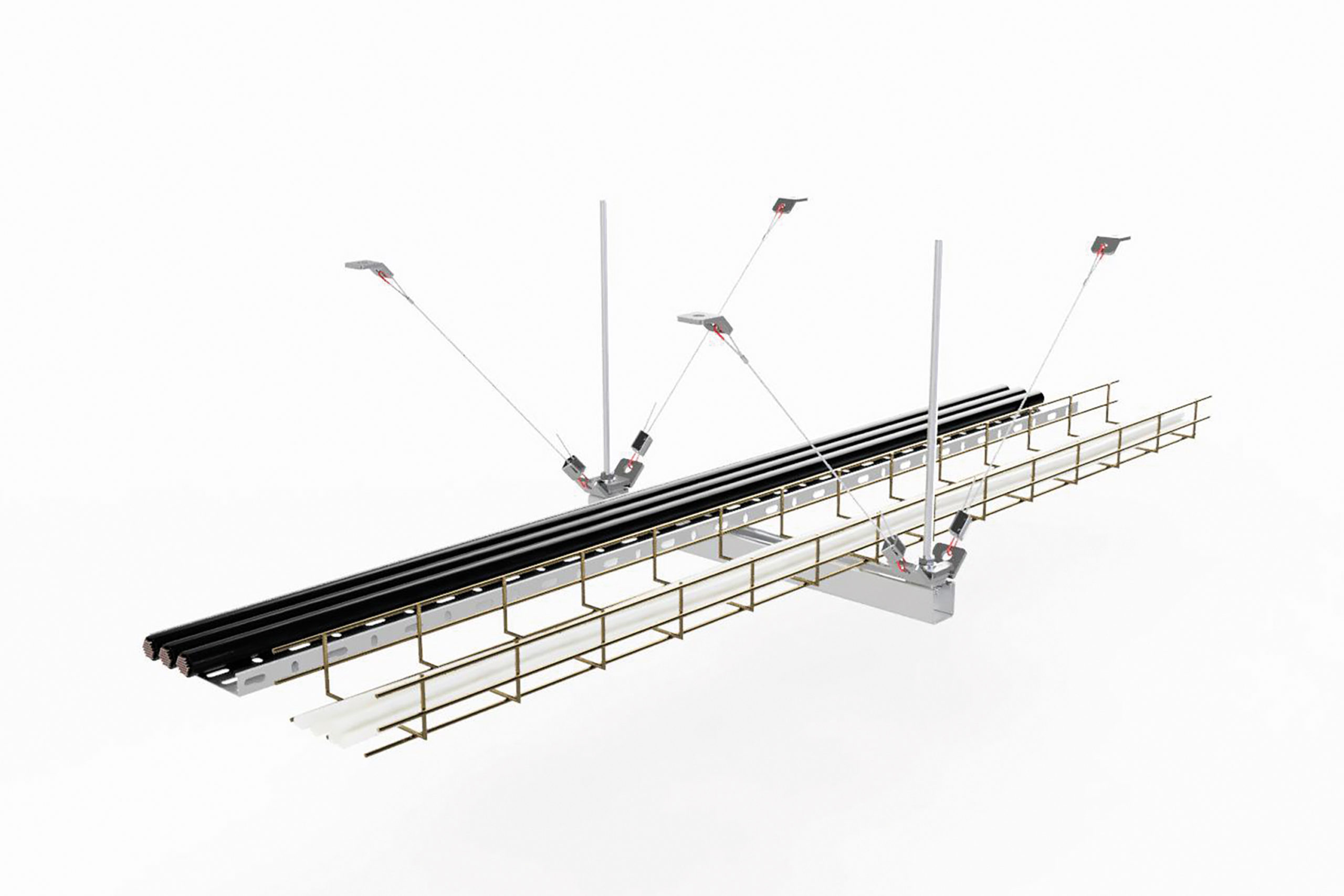
Seismic bracing involves the use of various materials and methods to ensure that a building can withstand the lateral forces exerted during an earthquake. These lateral forces can cause buildings to sway and shift, which can lead to structural damage and collapse if not properly reinforced. By implementing bracing seismic techniques, engineers are able to mitigate the potential damage and ensure the overall safety of the building and its occupants.
One common method of bracing seismic forces is through the use of diagonal bracing. Diagonal braces are structural components that are placed diagonally across the building frame to help distribute seismic forces and provide additional support. These braces are typically made of steel or other materials with high tensile strength to ensure they can withstand the forces exerted during an earthquake.
Another effective method of bracing seismic forces is through the use of shear walls. Shear walls are vertical structural elements that are designed to resist lateral forces and provide stability to the building. These walls are typically made of reinforced concrete or steel and are strategically placed throughout the building to help absorb and distribute seismic forces.
In addition to diagonal bracing and shear walls, other techniques such as moment-resisting frames and base isolators can also be used to brace seismic forces. Moment-resisting frames are structural systems that are designed to provide resistance to lateral forces by allowing for controlled deformations in specific areas of the building. Base isolators, on the other hand, are devices that are placed between the building foundation and the ground to help absorb and dissipate seismic energy.
By incorporating these bracing seismic techniques into building design and construction, engineers are able to enhance the structural integrity and stability of buildings in earthquake-prone regions. These measures not only help to protect the building itself but also ensure the safety of individuals inside during a seismic event.
One of the key benefits of bracing seismic forces is the ability to minimize damage and reduce the likelihood of collapse during an earthquake. By effectively distributing seismic forces and providing additional support, buildings are better equipped to withstand the intense shaking and movements that can occur during a seismic event. This can help to prevent injuries and save lives by ensuring that structures remain intact and stable.
Furthermore, bracing seismic forces can also help to reduce repair and reconstruction costs in the aftermath of an earthquake. Buildings that are properly braced are less likely to suffer significant damage, meaning that they require fewer repairs and can be restored more quickly. This can be particularly important in densely populated urban areas where the impact of an earthquake can be widespread and extensive.
In addition to the structural benefits, bracing seismic forces can also have a positive impact on insurance rates and building codes. Buildings that are designed and constructed with proper seismic bracing techniques are often considered to be safer and more resilient, leading to lower insurance premiums and stricter building code requirements. This can incentivize developers and property owners to invest in bracing seismic measures to protect their investments and ensure the safety of occupants.
Overall, bracing seismic forces is a critical aspect of building design and construction in earthquake-prone regions. By implementing specialized techniques and methods to mitigate lateral forces, engineers are able to enhance the stability and safety of structures during seismic events. These measures not only help to protect the building and its occupants but also contribute to reducing the overall impact of earthquakes on communities and infrastructure.